Preview site. All amounts, fundraising totals and payment details shown here are placeholders for design purposes — no account number on this site is real, and no gift should be sent against them.

MSLMSLCenter for Health Innovation
& Biotechnology
About us

Advisory Board

Independent scientific and ethical guidance on the direction, quality and conduct of the Center's research.

Its role

Why an advisory board matters

A research institution benefits from expert judgement that is not answerable to its own management. An advisory board provides exactly that: independent scrutiny of what the Center chooses to study, how it studies it, and whether its conclusions are supported by its evidence.

For work touching on diagnostics and public health, that independence matters more, not less. Decisions about which methods to validate, which populations to study, and how to report findings all carry consequences beyond the laboratory. Independent review is a safeguard on those decisions.

International members

Scientific Advisory Board — international

Advisors based outside Pakistan, bringing expertise in computational biotechnology, biomanufacturing, diagnostics and regenerative medicine.

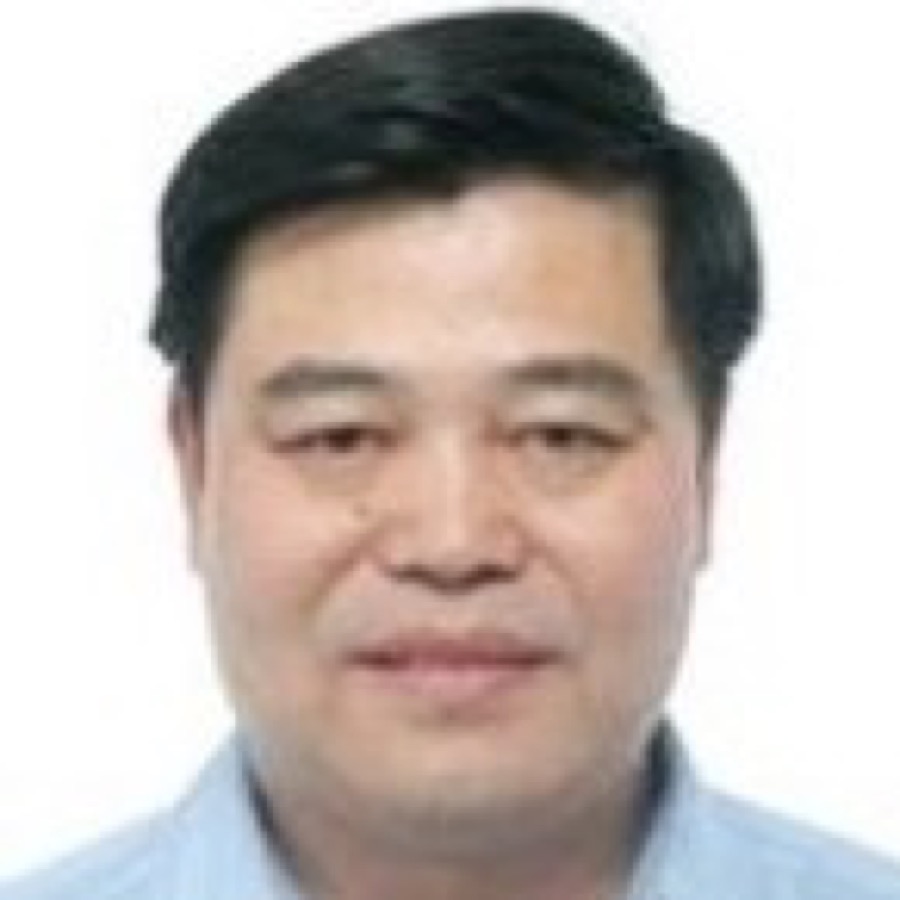
Prof. Dr. Dong-Qing Wei, FRSC

Prof. Dr. Dong-Qing Wei, FRSC

Tenured Professor, Shanghai Jiao Tong University, China

Adjunct Faculty, International Centre for Interdisciplinary Research, The University of Lahore · Editor-in-Chief, Interdisciplinary Sciences: Computational Life Sciences

Expertise: Structural bioinformatics · Computational biology · Molecular modelling · AI-assisted drug discovery · Synthetic biology

Prof. Dr. Dong-Qing Wei is an internationally recognised scientist specialising in structural bioinformatics, computational biology, molecular modelling, artificial intelligence-assisted drug discovery, and synthetic biology. He has published more than 700 scientific papers and is a Fellow of the Royal Society of Chemistry.

Role at MSL-CHIB

International Advisor for Artificial Intelligence, Computational Biotechnology and Drug Discovery
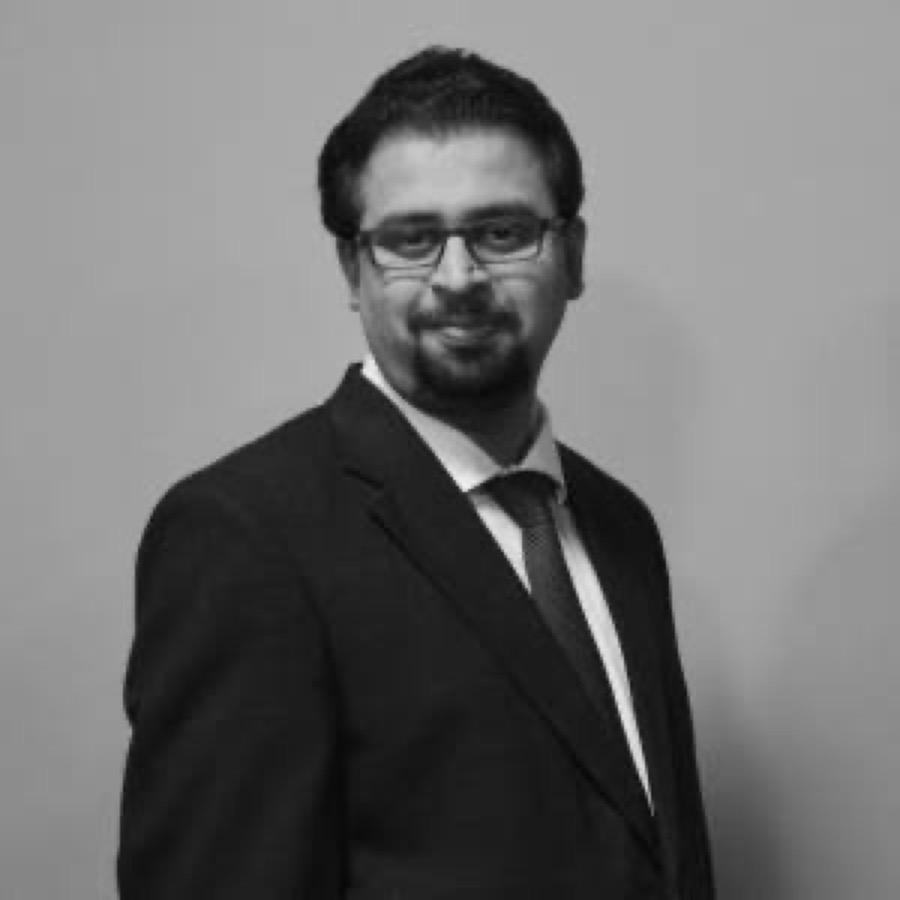
Professor Dr. Muhammad Safwan Akram

Professor Dr. Muhammad Safwan Akram

Professor of Biomanufacturing, Engineering Biology and Innovation in Biosciences

National Horizons Centre, Teesside University, United Kingdom

Expertise: Biomanufacturing · Engineering biology · Low-cost diagnostics · Biosensors · Protein engineering · Healthcare innovation

Prof. Dr. Muhammad Safwan Akram is an internationally experienced biotechnology scientist specialising in biomanufacturing, engineering biology, low-cost diagnostics, biosensors, protein engineering and healthcare innovation. He earned his PhD in Analytical Biotechnology from the University of Cambridge and completed postdoctoral research there on affordable diagnostic technologies. His work connects advanced scientific research with industrial development and commercial biotechnology applications.

Role at MSL-CHIB

International Advisor for Biomanufacturing, Diagnostic Technologies and Biotechnology Innovation

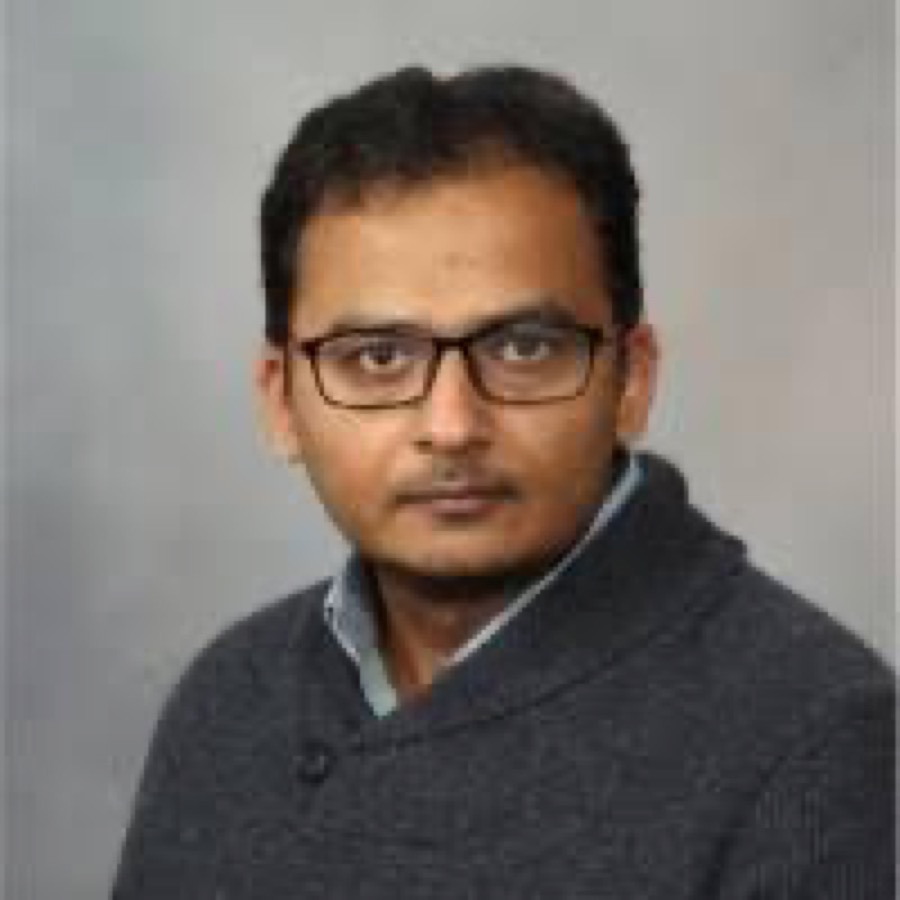
Dr. Gibran Ali

Dr. Gibran Ali

Research Associate, Division of Pulmonary and Critical Care Medicine, Department of Medicine

Mayo Clinic College of Medicine and Science, Rochester, Minnesota, USA

Expertise: Molecular biology · Regenerative biology · Lung epithelial differentiation · Alveolar stem-cell fate · Pulmonary regeneration

Dr. Gibran Ali is a molecular biologist and regenerative-biology researcher whose work focuses on lung epithelial differentiation, alveolar stem-cell fate, tissue repair and pulmonary regeneration. He develops advanced organoid systems, transgenic models, imaging tools and bioengineering approaches to investigate how molecular signalling and mechanical forces regulate lung development and diseases such as pulmonary fibrosis. He earned his PhD in Molecular Biology from the University of the Punjab, Lahore.

Role at MSL-CHIB

International Advisor for Regenerative Biology, Stem-Cell Research and Pulmonary Medicine

National members

Scientific Advisory Board — national

Advisors based in Pakistan, spanning molecular and cellular biology, drug design, industrial enzymology and precision oncology.

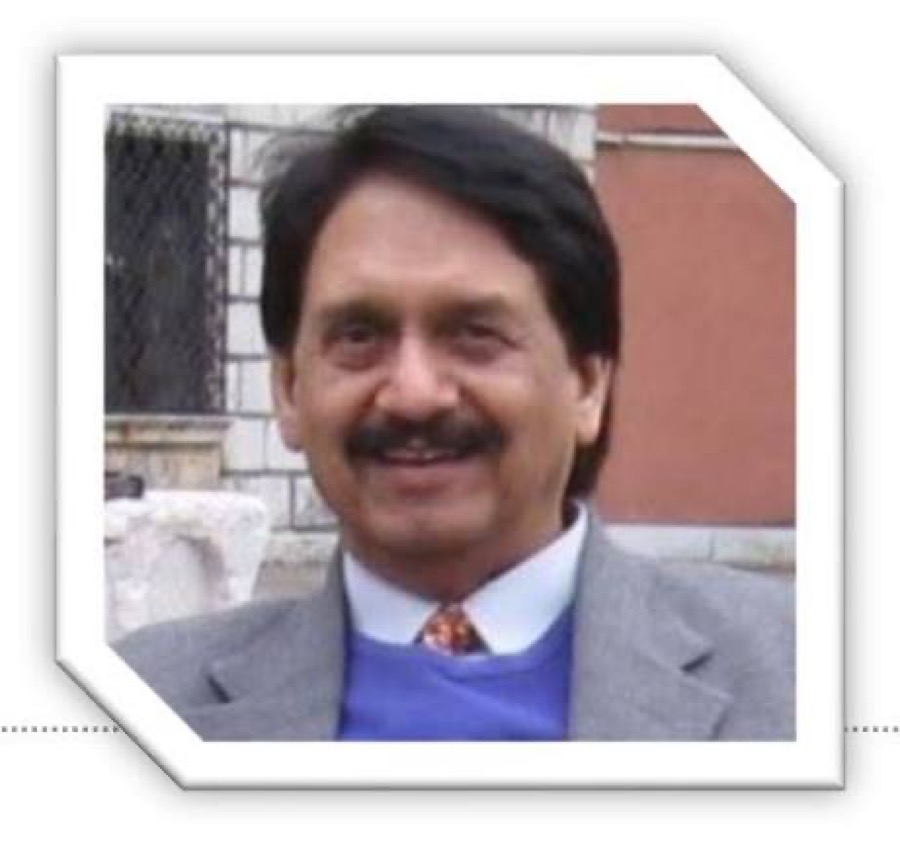
Prof. Dr. Abdul Rauf Shakoori, TI, FAS, FTWAS, FIAS

Prof. Dr. Abdul Rauf Shakoori, TI, FAS, FTWAS, FIAS

HEC Distinguished National Professor

Professor Emeritus, School of Biological Sciences, University of the Punjab · Distinguished Adjunct Faculty Member, Centre of Excellence in Molecular Biology

Expertise: Cell and molecular biology · Cancer biology · Biochemical toxicology · Environmental biotechnology · Bioremediation · Bioinsecticides

Prof. Dr. Abdul Rauf Shakoori is an internationally recognized scientist and a pioneer in introducing modern cellular and molecular biology education and research in Pakistan. His research encompasses cell and molecular biology, cancer biology, biochemical toxicology, environmental biotechnology, gene-expression regulation, bioremediation and bioinsecticides.

He is a Fellow of the Pakistan Academy of Sciences, The World Academy of Sciences and the Islamic World Academy of Sciences. His distinctions include the Presidential Award of Aizaz-i-Kamal, Tamgha-i-Imtiaz, Pakistan Academy of Sciences Distinguished Scientist of the Year Award and the ECO Excellence Award in Science and Technology.

Role at MSL-CHIB

Senior Advisor for Molecular and Cellular Biology, Cancer Research, Environmental Biotechnology, Research Capacity Development and Scientific Institution Building.

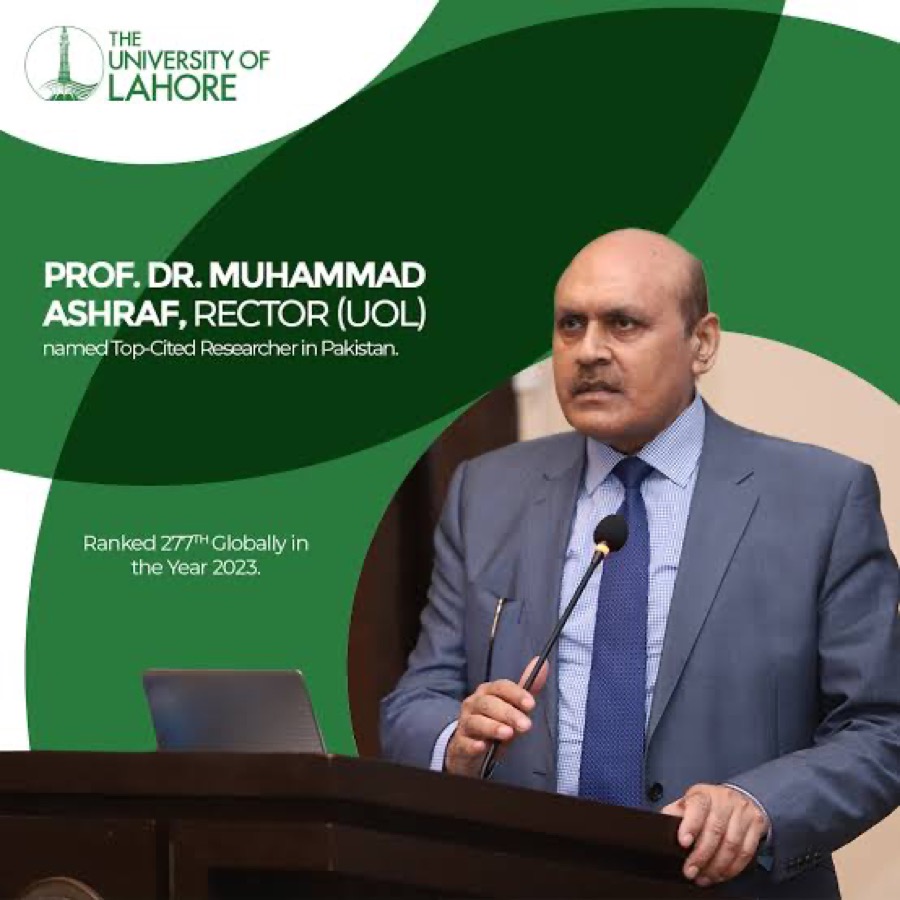
Prof. Dr. Muhammad Ashraf

Prof. Dr. Muhammad Ashraf

Rector, The University of Lahore

Vice President, Pakistan Academy of Sciences (2024–2026)

Expertise: Plant physiology · Plant biotechnology · Crop stress responses · Climate-resilient agriculture · Environmental sustainability

Prof. Dr. Muhammad Ashraf is an internationally renowned plant scientist, academic leader and higher-education administrator. His research focuses on plant physiology, biotechnology, crop responses to drought, salinity, waterlogging and temperature extremes, and the development of climate-resilient agricultural systems. His scientific contributions support sustainable agriculture, environmental resilience and food security.

He is the recipient of Pakistan's prestigious civil awards: Hilal-i-Imtiaz, Sitara-i-Imtiaz and President's Pride of Performance.

Role at MSL-CHIB

Senior Advisor for Research Leadership, Plant Biotechnology, Environmental Sustainability, Climate Resilience and Institutional Development.

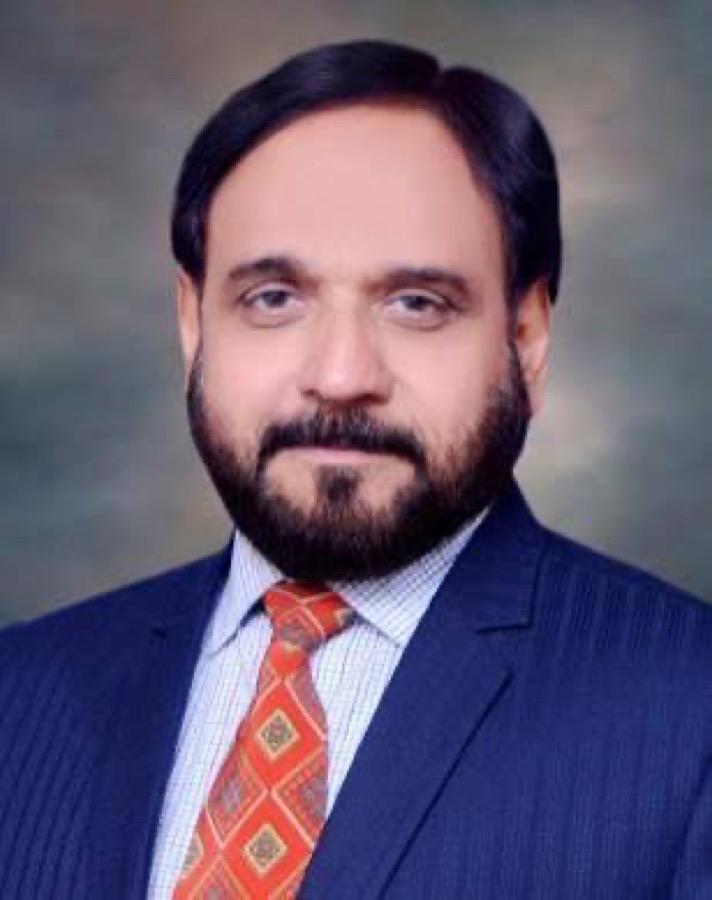
Prof. Dr. Zahoor Qadir Samra

Prof. Dr. Zahoor Qadir Samra

Former Professor and Director, Institute of Biochemistry and Biotechnology

University of the Punjab, Lahore

Expertise: Applied biotechnology · Immunology · Nanobiotechnology · Protein chemistry · Molecular biology · Targeted drug delivery

Prof. Dr. Zahoor Qadir Samra is an experienced biochemist and biotechnologist with expertise in applied biotechnology, immunology, nanobiotechnology, protein chemistry and molecular biology. His research has focused on targeted theranostic nanomedicines, recombinant vaccines, diagnostic immunoassays, antibody development, enzyme biotechnology and nanoparticle-assisted drug delivery.

He served as Director of the Institute of Biochemistry and Biotechnology at the University of the Punjab and contributed to the development of its School of Biochemistry and Biotechnology and Centre for Bioinformatics and Drug Design. He received a Silver Medal in M.Sc. Chemistry from Bahauddin Zakariya University and completed advanced research training in molecular biology, immunology and immunochemistry at the University of Cincinnati College of Medicine, USA.

Role at MSL-CHIB

Senior Advisor for Nanobiotechnology, Immunodiagnostics, Protein Chemistry, Molecular Biology, Targeted Drug Delivery and Translational Biotechnology.

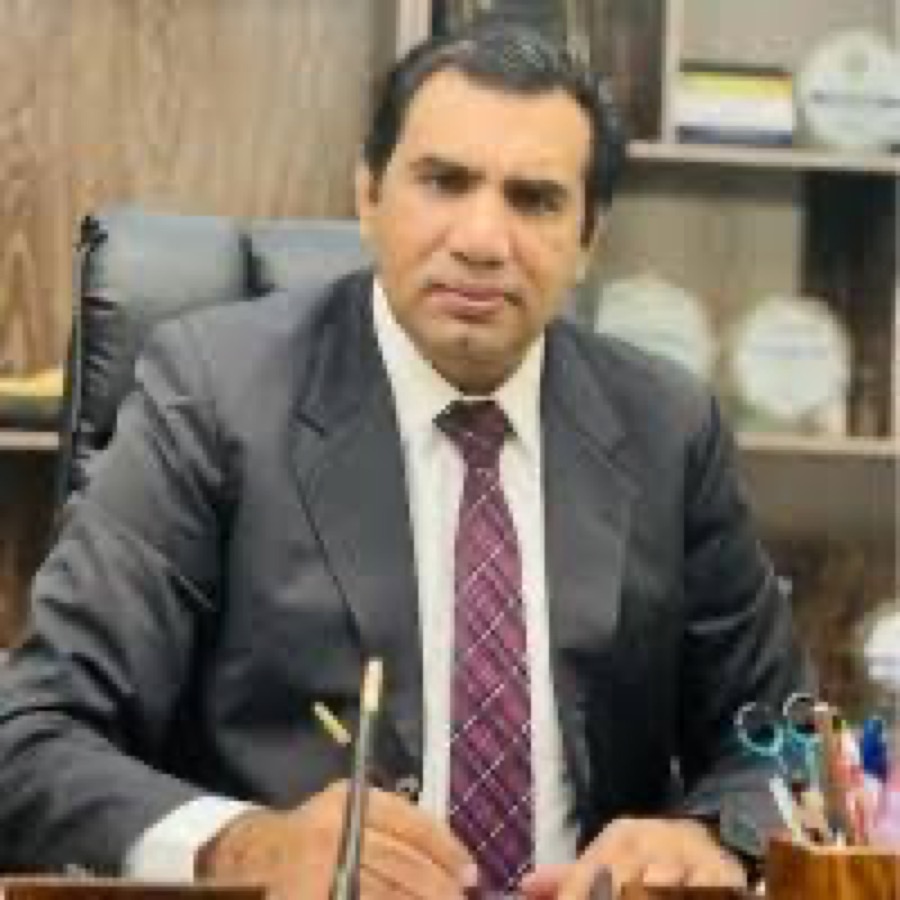
Prof. Dr. Muhammad Imtiaz Shafiq

Prof. Dr. Muhammad Imtiaz Shafiq

Professor, School of Chemistry, University of the Punjab

Director, Skill Development Centre, University of the Punjab · HEC-Approved Research Supervisor

Expertise: Biochemistry · Molecular modelling · Bioinformatics · Computational drug design · Interdisciplinary chemical sciences

Prof. Dr. Muhammad Imtiaz Shafiq is a distinguished academic and researcher specializing in biochemistry, molecular modelling, bioinformatics, computational drug design and interdisciplinary chemical sciences. His research integrates computational and experimental approaches for studying therapeutic targets, enzyme systems, biomolecules, pharmaceutical formulations and nanotechnology-based applications.

He has been included among the world's top 2% most-cited scientists in the field of inorganic and nuclear chemistry. In addition to his scientific work, he leads the Skill Development Centre at the University of the Punjab, supporting professional training, emerging technologies and institutional capacity development.

Role at MSL-CHIB

Senior Advisor for Biochemistry, Computational Biology, Molecular Modelling, Drug Design, Translational Research and Scientific Skill Development.

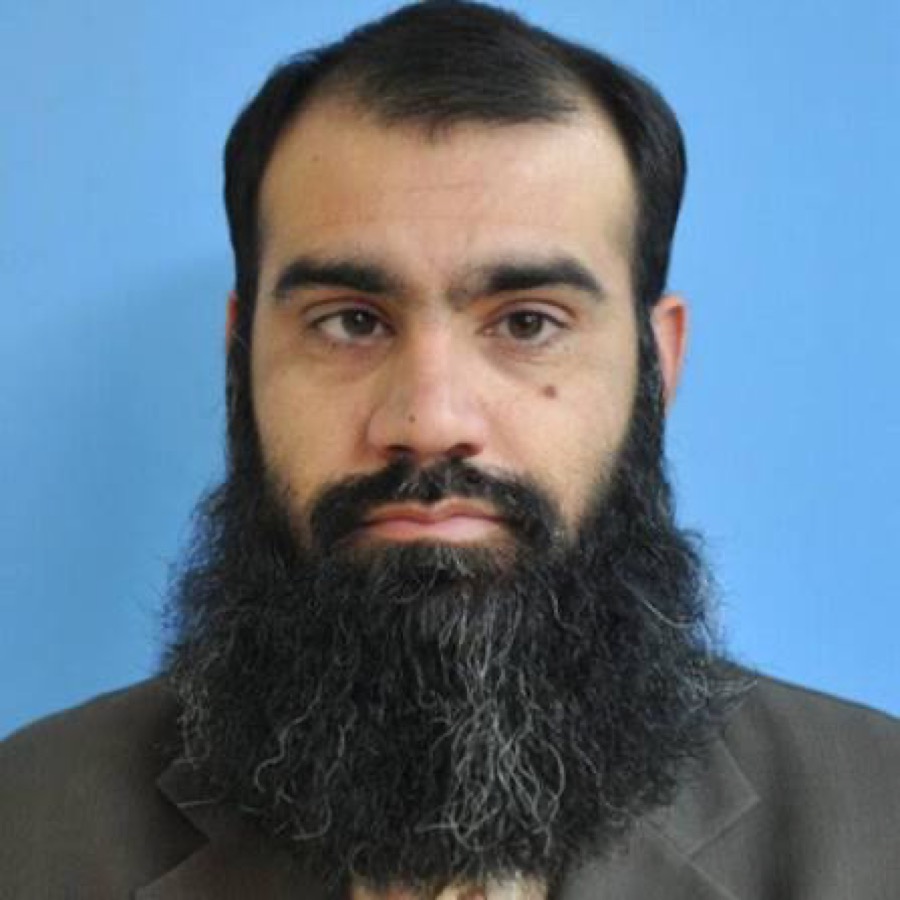
Dr. Muhammad Sajjad

Dr. Muhammad Sajjad

Associate Professor, School of Biological Sciences, University of the Punjab, Lahore

Treasurer, Pakistan Society for Biochemistry and Molecular Biology

Expertise: Protein engineering · Industrial enzymology · Enzyme characterization · Molecular diagnostics · Vaccine biotechnology

Dr. Muhammad Sajjad is a biochemist and biotechnologist specializing in protein engineering, enzyme characterization and microbial-enzyme production. His research focuses on improving the stability and efficiency of industrial enzymes—including amylases, cellulases, pectinases, lipases and proteases—for applications in food processing, edible-oil refining, leather processing and other sustainable biotechnological processes.

His research experience also includes protein-engineering-based diagnostic methods, vaccine-candidate development and computational analysis of enzyme structure and function. He has participated in major HEC-funded projects involving COVID-19 diagnostics, dengue-vaccine candidates, cellulolytic enzymes and environmentally responsible industrial processing.

Role at MSL-CHIB

Advisor for Protein Engineering, Industrial Enzymology, Molecular Diagnostics, Vaccine Biotechnology and Sustainable Bioprocess Development.

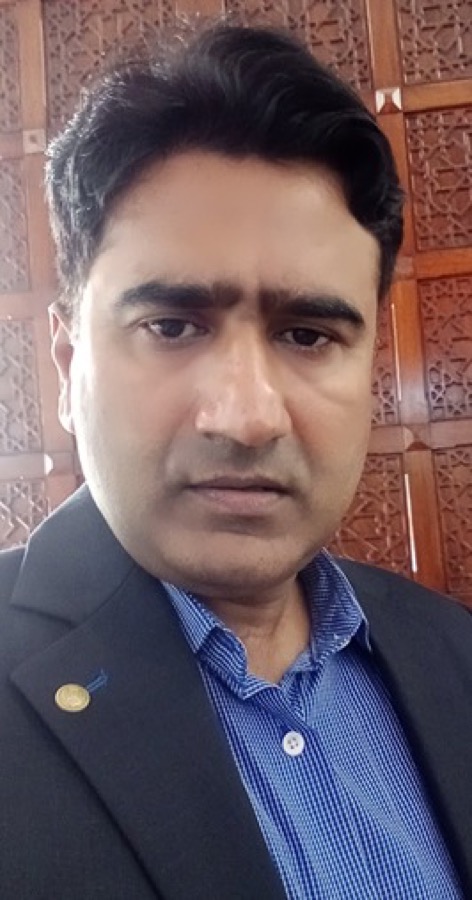
Dr. Muhammad Shahbaz Aslam

Dr. Muhammad Shahbaz Aslam

Associate Professor, School of Biochemistry and Biotechnology, University of the Punjab, Lahore

Expertise: Cancer biomarkers · Liquid biopsy · Molecular diagnostics · Recombinant therapeutic proteins · Immunobiotechnology · Precision oncology

Dr. Muhammad Shahbaz Aslam is a biochemist and molecular biotechnology researcher specializing in cancer biomarkers, liquid biopsy, molecular diagnostics, recombinant therapeutic proteins and immunobiotechnology. His research includes the development of circulating cell-free DNA and DNA-methylation biomarkers for the early diagnosis and prognosis of lung and breast cancers.

His work also encompasses the design and biological evaluation of recombinant antiviral and anticancer proteins, including the genetically engineered interferon-α2–thymosin-α1 fusion protein, along with vaccine design, immunoinformatics and precision immunotherapy.

Role at MSL-CHIB

Advisor for Cancer Biomarkers, Liquid Biopsy, Molecular Diagnostics, Recombinant Therapeutics, Immunobiotechnology and Precision Oncology.

What the board does

Scope of the advisory function

Research direction

Advising on scientific priorities and whether proposed programmes address genuine need.

Methodological review

Scrutinising study design, analysis and the strength of the conclusions drawn from results.

Ethical guidance

Advising on ethical considerations in study design, consent, data handling and participant protection.

Quality standards

Advising on laboratory standards, validation practice and quality assurance across the Center's services.

External perspective

Bringing experience from other institutions and jurisdictions to bear on the Center's plans.

Capacity building

Advising on training programmes and on developing the next generation of researchers.

Interested in serving on the advisory board?

We welcome expressions of interest from senior researchers and clinicians with relevant expertise, in Pakistan and internationally.

Express your interest

Collaborate with our researchers

Beyond formal advisory roles, there are many ways for experienced researchers to work with the Center.